Why is my sump pump not working in my Riverside basement?
Learn why your sump pump may not be functioning in your Riverside basement and what steps to take for repairs.
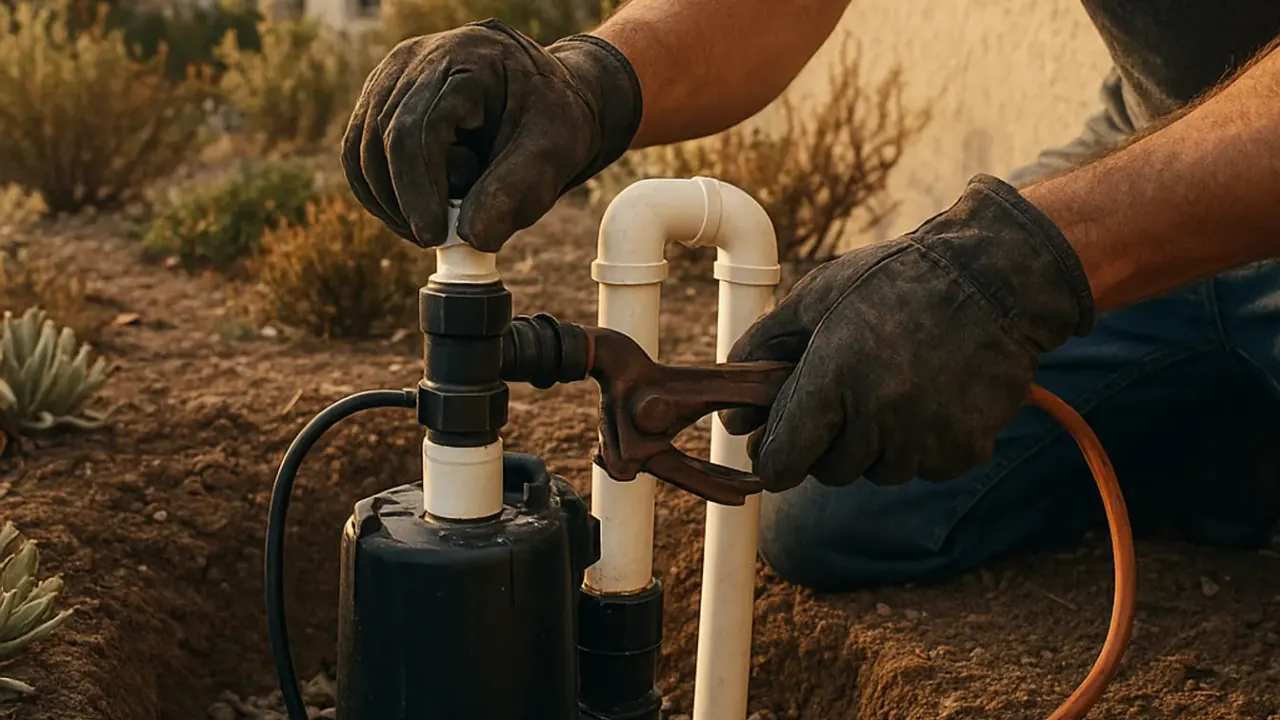
A malfunctioning sump pump can lead to significant water damage in your Riverside basement. Common reasons include power failure, clogged discharge lines, and mechanical failure. This article explores these issues in detail and offers practical solutions to get your sump pump back in working order.
Sump pump is a device that removes accumulated water from a basement or crawl space, preventing flooding and moisture damage. Understanding why your sump pump isn't working is crucial for maintaining a dry and safe home.
Common Reasons for Sump Pump Failure
Several factors can cause your sump pump to stop functioning effectively. The most prevalent issues include:
- Power Failure: If your sump pump loses power, it cannot operate. Check the circuit breaker or GFCI outlet for tripped switches.
- Clogged Discharge Line: Debris can block the discharge line, preventing water from being expelled from your basement.
- Mechanical Failure: Over time, the motor or impeller can wear out or fail, leading to a complete breakdown.
- Incorrect Installation: If the sump pump is not installed correctly, it may not function as intended.
- Float Switch Issues: The float switch controls the pump's operation. If it gets stuck or fails, the pump won't activate.
Homeowners in Riverside often deal with heavy rainfall, making a functional sump pump vital. Regular maintenance can help prevent these common issues.
Signs Your Sump Pump Needs Repair
Recognizing the signs of a failing sump pump is essential for timely repairs. Look out for:
- Strange Noises: Unusual sounds like grinding or rattling can indicate mechanical issues.
- Frequent Cycling: If your sump pump runs too often, it may be struggling to keep up with water levels.
- Water Accumulation: Puddles or damp spots in your basement are clear indicators that your pump may not be working effectively.
- Burning Smell: A burning smell can signal overheating, often due to motor failure.
- Age: If your sump pump is over 10 years old, it may be time for an inspection or replacement.
Keep an eye on these signs to ensure your basement remains dry and free from water damage.
How to Troubleshoot a Sump Pump
Troubleshooting your sump pump can help identify the problem before calling a professional. Here's how to do it:
- Check the Power Supply: Ensure the pump is plugged in and check the circuit breaker.
- Inspect the Float Switch: Make sure the float moves freely and isn't stuck.
- Clear the Discharge Line: Remove any debris blocking the discharge line.
- Listen for Unusual Noises: If you hear grinding or rattling, the pump may need repairs.
- Test the Pump: Pour water into the sump pit to see if the pump activates.
By following these steps, you can often identify the issue without needing immediate professional help.
Common Mistakes to Avoid
When dealing with sump pumps, homeowners often make several common mistakes that can exacerbate problems:
- Ignoring Maintenance: Regular maintenance is crucial for optimal performance. Neglecting this can lead to failures.
- Overloading the Pump: Using a pump that can't handle the water volume can lead to burnout.
- Failing to Test Regularly: Testing your sump pump at least once a year can prevent unexpected failures.
- Not Having a Backup System: In areas prone to heavy rain, a backup sump pump can be invaluable.
By avoiding these mistakes, you can prolong the life of your sump pump and avoid costly repairs.
When to Call a Professional
If troubleshooting does not resolve the issue, it may be time to call a professional. Signs that indicate you need expert help include:
- Persistent water accumulation despite pump operation.
- Frequent breakdowns or repairs.
- Unusual noises or smells from the pump.
For reliable service, consider contacting Pro plumbing California. Our team specializes in sump pump and pipe leak repair in California and can help restore your system.
Frequently Asked Questions
1. How long should a sump pump last? A sump pump typically lasts around 10 years, depending on usage and maintenance.
2. How much does it cost to replace a sump pump? In 2026, replacing a sump pump can cost between $500 and $1,200, including installation.
3. Can I install a sump pump myself? While DIY installation is possible, hiring a professional ensures proper installation and compliance with local codes.
4. How often should I test my sump pump? Test your sump pump at least once a year to ensure it operates correctly during heavy rainfall.
5. What is the best type of sump pump? Submersible sump pumps are generally more efficient and quieter than pedestal pumps, making them a popular choice.